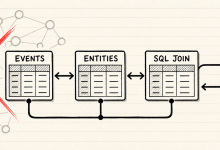
Hatchet shares real-world problems and solutions they encountered while implementing their own PostgreSQL partitioning system. As a PostgreSQL-based persistent queue system, Hatchet processes hundreds of millions of tasks daily. When their data reached 200 million rows, they decided to implement their own partitioning system to improve performance. However, after launching the partitioning system, they discovered that some query performance had degraded by 10x. After investigation, they found that the issue was that partitioned tables don’t automatically run the ANALYZE command, leading to inaccurate query statistics. The article details the troubleshooting process, solutions, and lessons learned during their partitioning journey, including practical tips like using DETACH PARTITION…CONCURRENTLY to reduce lock contention and manually running ANALYZE to update statistics. This technical sharing is highly valuable for database administrators and backend developers who need to handle large-scale data.